As Winter settles in and the trees shed their leaves, one evergreen plant seems to defy the season: Mistletoe. Suspended in the bare branches of trees like botanical baubles, this peculiar plant has long fascinated ecologists, arborists, and romantics alike. But what exactly is Mistletoe? And how does its quirky biology tie into its rich cultural heritage across the UK and Europe?
A Life Aloft: How Mistletoe Interacts with Trees
Across the world, there are more than 900 mistletoe species, but Viscum album is the only species native to the UK. Mistletoe is a hemi-parasitic plant, meaning it’s partly self-sufficient but still relies on its host tree to survive. Mistletoe plants are either male or female, a condition called dioecious. Only the female plants produce berries, while the male plants do not. Both sexes are needed for the plants to reproduce, as the female flowers must be pollinated, often by insects, to produce fruit.
It roots itself in the bark of deciduous trees, particularly Apple, Poplar, Lime, and Hawthorn, tapping into the trees’ water and mineral supply. While it does carry out photosynthesis using its own green leaves, its dependence on the host means a heavy infestation can reduce tree vigour, especially in smaller or stressed trees.
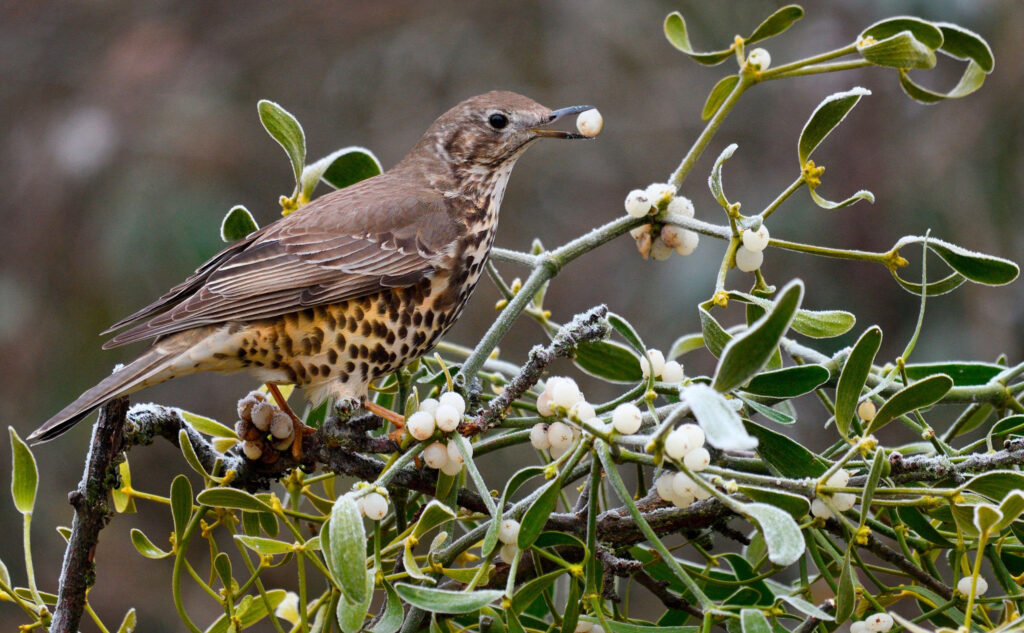
Mistletoe spreads mainly by birds, especially mistle thrushes and blackcaps, which feast on the berries and wipe the sticky seeds onto branches. If a seed lands in a suitable spot, typically a split in the bark, it can germinate and gradually grow into a bushy cluster of evergreen stems.
In moderation, Mistletoe is part of a healthy woodland or orchard ecosystem, offering food and nesting spots for birds and insects. However, in neglected orchards or old trees with poor vigour, it can become overwhelming, sometimes leading to dieback or branch failure. This makes regular monitoring and selective removal a good idea in garden settings.
A Plant with Pagan Roots and Festive Fame
Long before it became the cue for a cheeky Christmas kiss, Mistletoe was revered in ancient cultures for its mystical properties. The Druids considered it sacred, especially when found on Oak trees, which is rare. Druids would cut mistletoe from sacred Oaks using golden sickles, catching it before it touched the ground to preserve its powers, and used it in Winter Solstice rituals as a symbol of vitality and protection.
In Norse mythology, Mistletoe plays a central role in the story of Baldur’s death and rebirth. Loki killed Baldur (God of Light) with a weapon made of Mistletoe, as it was the one thing that had not sworn not to harm him, a plant that later symbolised peace and reconciliation. This may be the root of the kissing tradition, from the Norse custom of a truce under the plant and Frigg’s blessing after Baldur’s death, an offering of peace beneath the Mistletoe bough.
By the 18th and 19th centuries in Britain, Mistletoe had become firmly embedded in Christmas customs. Market towns like Tenbury Wells in Worcestershire, still known as the UK’s “Mistletoe Capital”, hold a bustling seasonal Mistletoe Festival & Santa Parade (click here). The custom of hanging a sprig in the home grew alongside the Victorian enthusiasm for all things green and symbolic.
Mistletoe in European Traditions
Across Europe, Mistletoe has enjoyed a similarly mystical status. In France, it’s often seen as a symbol of good luck and fertility, traditionally given as a New Year’s charm. In Germany, it’s known as Mistel and was once thought to protect homes from lightning strikes and evil spirits.
Many cultures shared the belief that Mistletoe had healing properties, for everything from warding off epilepsy to aiding fertility, though modern science doesn’t support these claims. That said, Mistletoe extracts are still used in some alternative medicine traditions, especially in parts of Europe.
Gardeners’ Tips: Managing Mistletoe
If you spot Mistletoe in your garden trees, there’s no need to panic, but it’s worth keeping an eye on. A small amount is unlikely to harm a healthy tree, and it may even enhance your garden’s biodiversity. If it starts to become dominant:
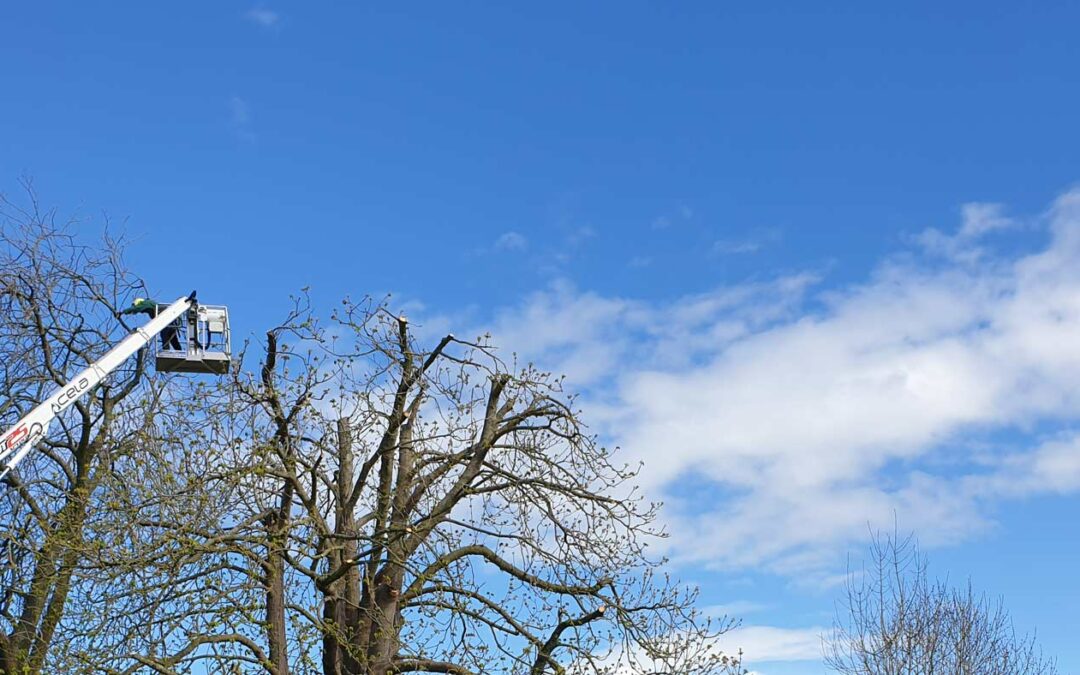
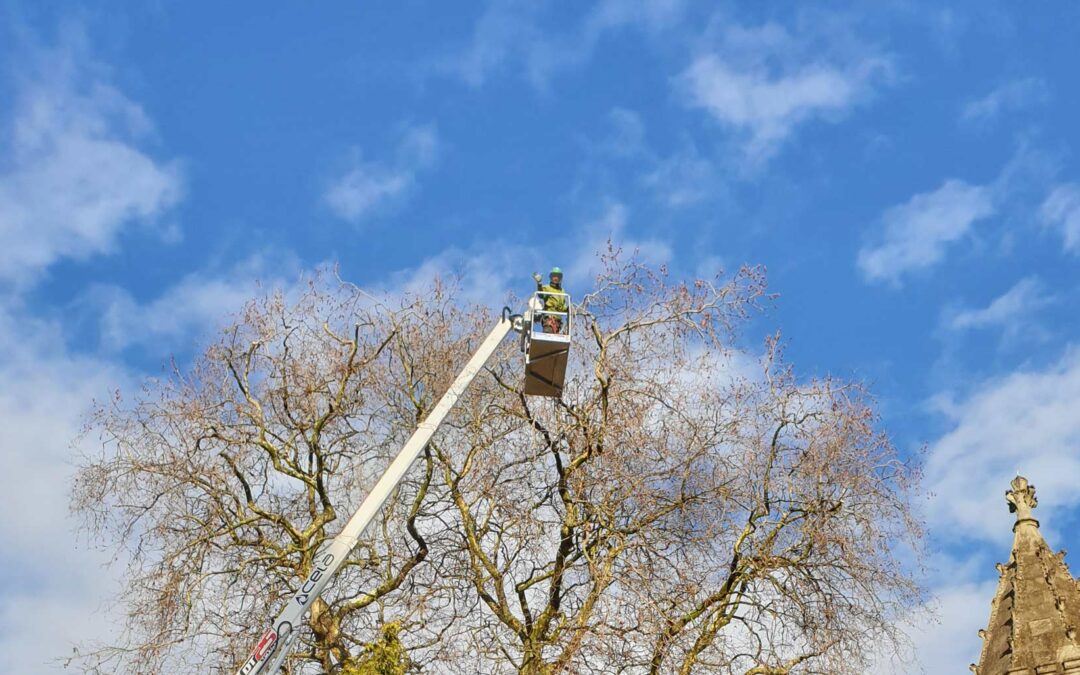
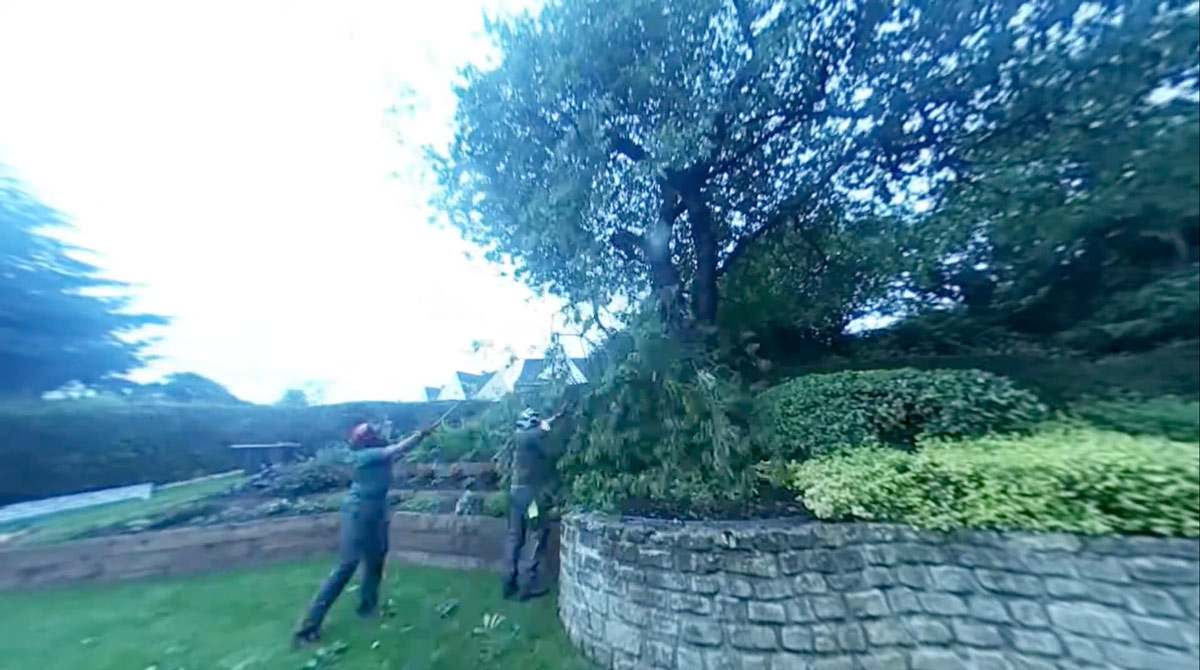
Remove excess growth by pruning infested branches during the tree’s dormant season (late Winter).
Don’t just cut back the mistletoe; it will regrow from embedded haustoria unless the section of the branch with the Mistletoe is removed.
Maintain tree health with regular mulching and structural pruning to reduce stress.
And if you fancy encouraging Mistletoe (perhaps on a suitable Apple tree), you can try propagating it by gently squeezing a fresh berry onto a healthy branch fork in early spring, but patience is required, as it may take over a year to show signs of growth.
Final Thoughts
Mistletoe is one of those rare plants that weaves together ecology, folklore, and festive charm. It’s both a clever opportunist in the treetops and a symbol of love and luck below. So next time you spot its silvery green foliage in a winter tree, take a moment to appreciate not just its seasonal beauty, but its place in the bigger picture, both cultural and ecological.
Caution: despite its romantic reputation, Mistletoe is actually poisonous to humans. It contains a toxic substance called phoratoxin, which is particularly concentrated in the leaves. If you’re decorating with it, keep it away from pets and children.