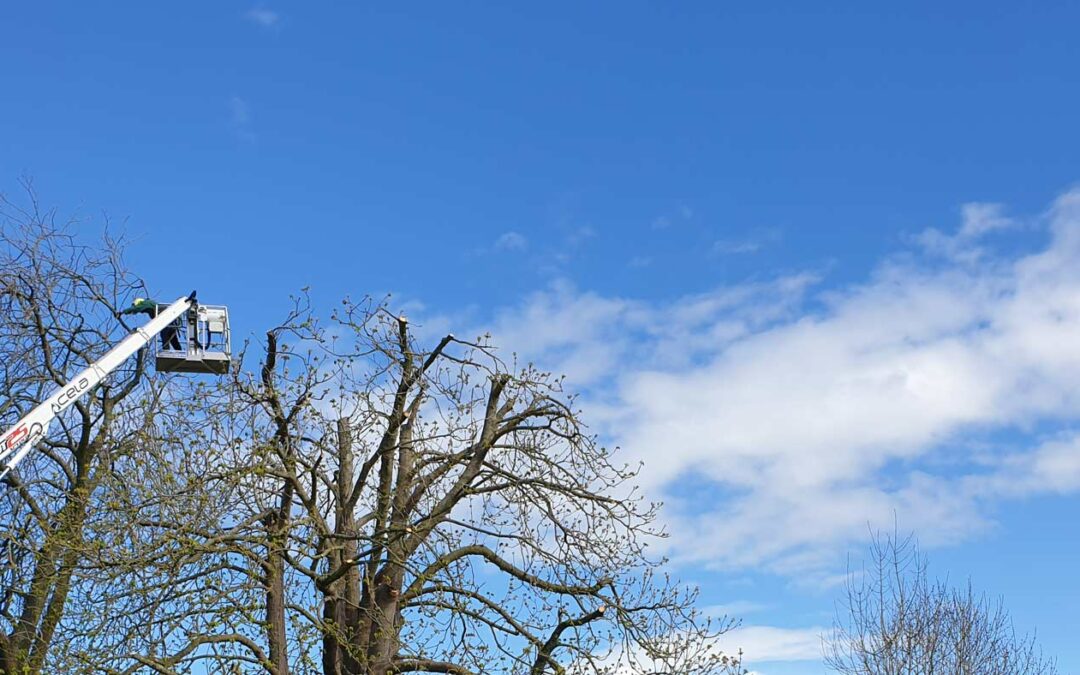
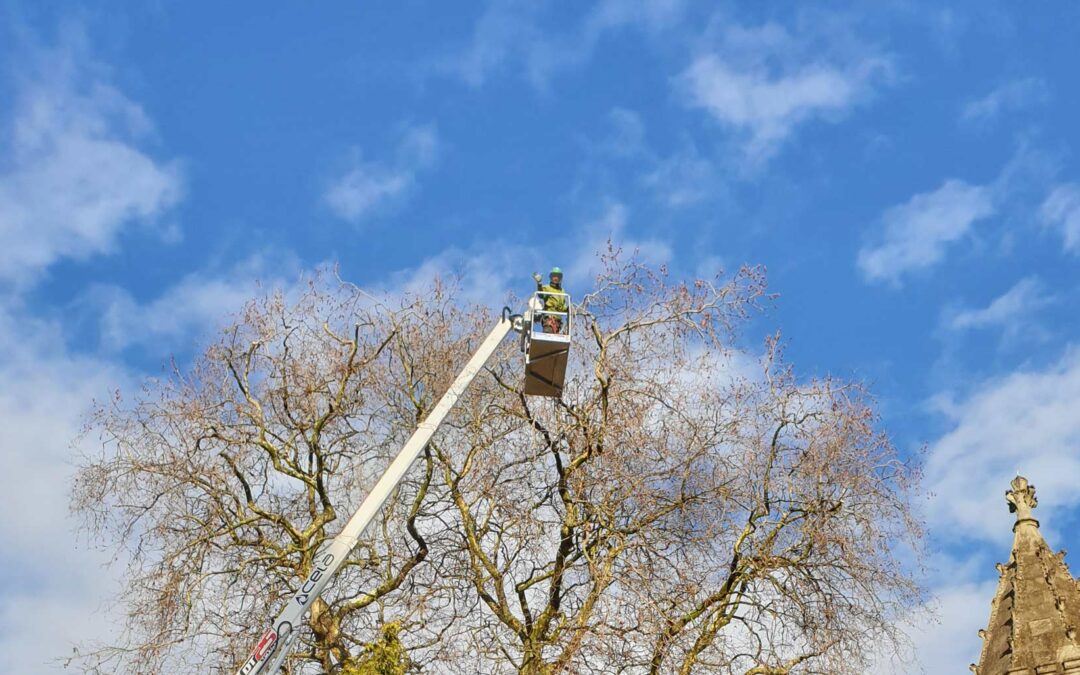
Tree Work and Nesting Birds
Working Responsibly During the UK Nesting Season 🐦🌳
As gardens and landscapes burst back into life each Spring, trees and hedgerows quickly become busy places, not just for gardeners and tree teams, but for wildlife too.
Tree work remains essential for keeping green spaces safe and well-managed, yet at this time of year, it must be approached with particular care. Across the UK, nesting birds are legally protected, and understanding both the law and good arboricultural practice helps ensure trees can be managed responsibly without harming the wildlife that depends on them.
The Law: Protecting Nesting Birds
In the UK, all wild birds, their nests and eggs are protected under the Wildlife and Countryside Act 1981.
Importantly, there is no blanket ban on tree pruning or removal at certain times of year. However, it is an offence to:
- Intentionally or recklessly damage or destroy an active nest
- Disturb nesting birds while a nest is in use
- Disturbing certain protected species listed under Schedule 1, which receive additional legal protection, is more likely to lead to a prosecution! (It’s a long list, which can be seen HERE)
Failure to comply can lead to prosecution and significant fines, which is why careful planning is always essential before work begins.
When Is Nesting Season?
Bird nesting activity generally runs from March through to August, although nature rarely follows a strict calendar.
Some species begin earlier during mild Springs, while others continue nesting well into the Autumn. Urban birds such as pigeons and doves may nest almost year-round.
For this reason, trees, hedges and dense shrubs should always be checked carefully before work takes place, whatever the month.
Industry Best Practice: How Tree Work Is Managed Safely
Professional Arborists follow established guidance to protect wildlife while still carrying out necessary maintenance.
✔ Pre-Work Checks
Before starting work, trees and hedgerows should be inspected for signs of nesting activity, including:
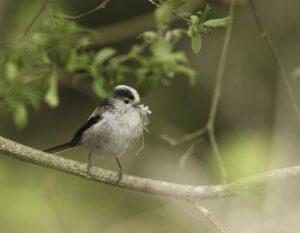
- Birds repeatedly entering foliage or cavities
- Carrying nesting material or food
- Defensive or territorial behaviour
If an active nest is present, work must be postponed until chicks have fledged.
✔ Timing Matters
Where works are non-urgent, scheduling pruning or hedge management between September and February significantly reduces the likelihood of disturbance.
Emergency safety work may still proceed during nesting season, but should always follow a professional assessment.
✔ Careful Working Methods
If work must take place during Spring or Summer:
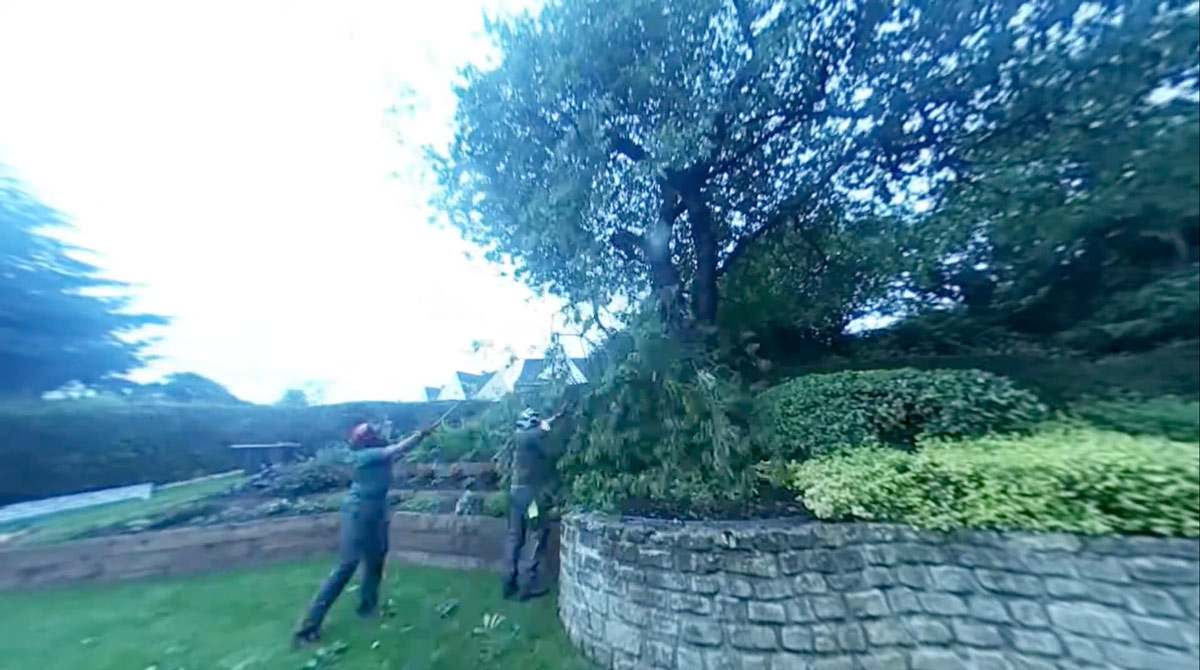
- Operations should proceed cautiously and in stages
- Dense vegetation, climbers, and ivy-covered trees require particular attention
- Teams remain alert throughout the work in case nesting activity is discovered
✔ Schedule 1 Species
Certain birds, including barn owls, kingfishers and some woodpeckers, receive enhanced protection under Schedule 1 legislation.
If these species are present, work must stop immediately, and specialist ecological advice must be sought.
What Happens If a Nest Is Found?
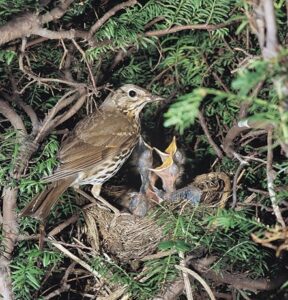
Even with careful planning, nests are sometimes discovered once work has begun.
The correct response is simple:
- Stop work immediately
- Assess whether the nest is active
- Delay operations until nesting has finished
- Seek ecological advice if there is uncertainty
A short delay protects both wildlife and those carrying out the work.
Why This Matters More Than Ever
Recent UK data shows wild bird populations continuing to decline. Since 2018, overall bird numbers have fallen nationwide, with farmland and woodland species experiencing particularly significant losses.
Habitat reduction, including the loss of trees, hedgerows and insect-rich environments, remains one of the main causes. Fewer nesting opportunities and reduced food availability place increasing pressure on already vulnerable species.
Protecting nesting birds during routine tree work is therefore not simply legal compliance; it forms part of a wider responsibility to support biodiversity across both rural and urban landscapes.
Trees and Wildlife Can Coexist
Good tree management and wildlife conservation are not opposing goals. With thoughtful planning and professional practice, essential maintenance can continue while safeguarding nesting habitats.
Whether managing mature trees, maintaining hedgerows or carrying out garden pruning, a careful approach ensures that trees remain safe and wildlife continues to thrive alongside them.
A Final Thought
Spring reminds us that trees are more than landscape features. For many birds, they are homes, nurseries and safe refuges.
By working with nature rather than against it, we help ensure that both our trees and the wildlife they support remain part of the landscape for generations to come.