Ash Dieback – Where Are We Now? 🌳
Over the past decade, Ash Dieback has dramatically changed the British landscape.
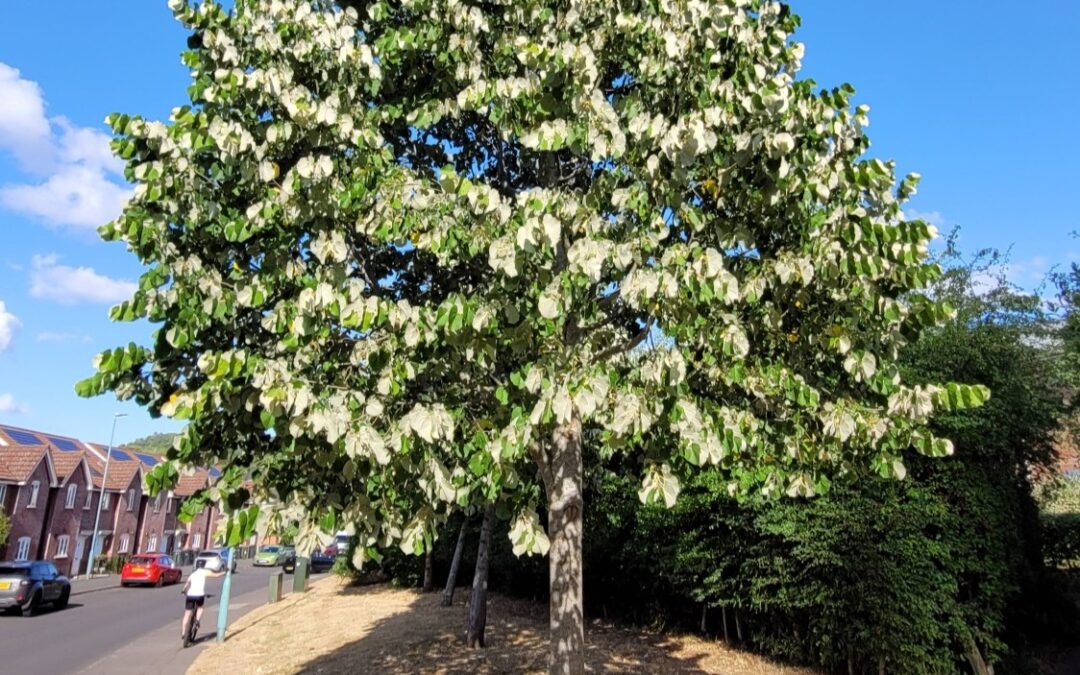
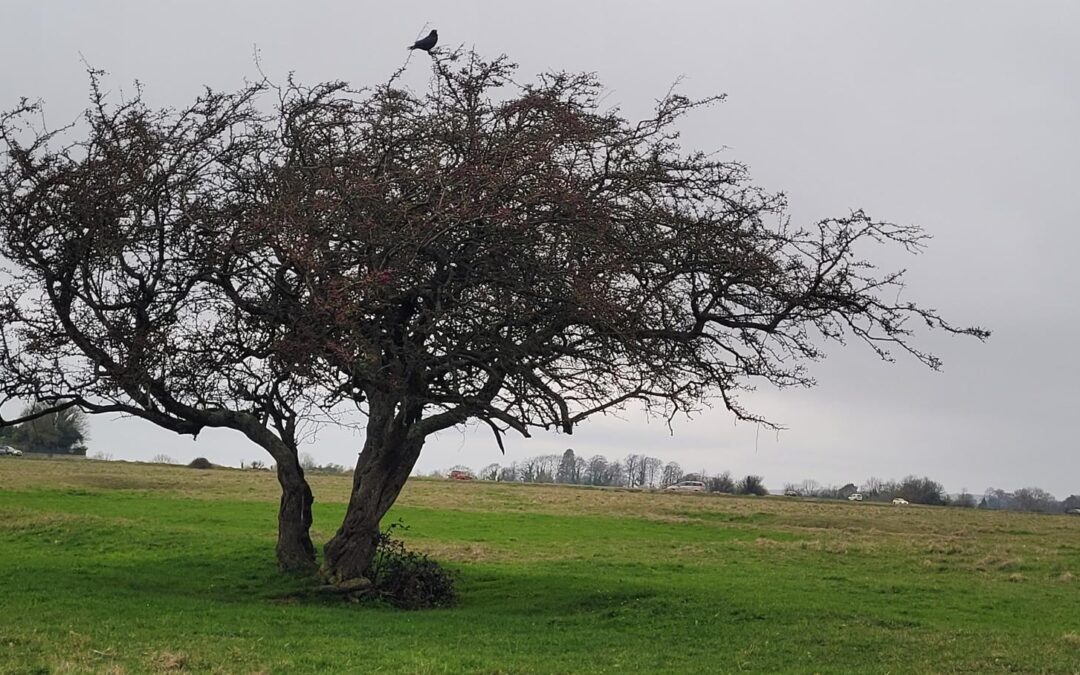
Most people will now have seen Ash trees with thinning crowns, dead branches, or entire sections of woodland where the trees are clearly struggling. It is, sadly, something we are becoming increasingly used to seeing across the countryside, in roadside hedgerows, parks and gardens.
When the disease first arrived in the UK, there was understandable concern that every Ash tree was doomed.
The reality today is a little more balanced and, in some ways, slightly more hopeful.
Ash Dieback is caused by a fungal disease which affects Common Ash (Fraxinus excelsior). It weakens the tree over time, causing canopy decline, dead wood, lesions on the stem and eventually structural weakness. Some trees decline quickly, while others can survive for many years.
Current estimates still suggest we may ultimately lose a very significant proportion of the UK’s Ash population. However, ongoing research is now showing that some Ash trees appear to have useful levels of natural tolerance to the disease.
This is an important shift in thinking.
The aim is no longer simply to remove every infected Ash tree. Instead, the focus has moved towards sensible long-term management:
- retaining trees where safe to do so;
- managing risk proportionately;
- preserving biodiversity; and
- identifying potentially resistant trees for the future
This approach is now reflected in the latest guidance from organisations such as The Tree Council and the Forestry Commission.
For homeowners, the important message is this:
- Finding Ash Dieback on a tree does not automatically mean the tree must be removed.
- Many Ash trees can remain standing safely for years with monitoring and occasional management.
- In quieter locations, some declining Ash trees can also provide valuable habitat for wildlife, insects, fungi, birds and bats.
However, location matters enormously.
Ash trees growing close to:
- houses
- gardens
- roads
- parking areas
- schools
- footpaths
- or neighbouring properties may need more active inspection and management because affected Ash can become brittle as decline progresses.
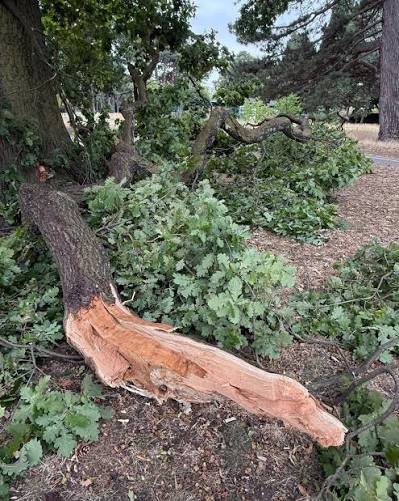
One of the difficulties with Ash Dieback is that trees can sometimes deteriorate quite quickly once structural weakness develops. Dead branches may fail unexpectedly, particularly during windy weather.
Typical symptoms include:
- thinning foliage
- dead branches high in the crown
- dark lesions where branches meet the trunk
- brittle deadwood; and
- excessive new shoots developing lower down the stem
If you live close to large Ash trees, there is no need to panic, but it is sensible to remain observant.
A straightforward inspection by a qualified arboricultural consultant or experienced tree contractor can usually establish:
- the condition of the tree
- the likely stage of decline
- whether there are immediate safety concerns; and
- whether monitoring or works are advisable
There is currently no cure for Ash Dieback, so management is really about balancing safety, practicality, landscape value, and biodiversity.
It is also worth remembering that normal legal protections still apply. Ash trees may still be protected by:
- Tree Preservation Orders (TPOs)
- Conservation Area legislation
- or wider woodland and felling controls
This means permission may still be needed before works are undertaken, even where disease is present.
Final Thought
Ash Dieback is something we will unfortunately be living with for decades rather than years, and there is no doubt that many beautiful trees have been and will still be lost.
At the same time, the industry is beginning to move away from panic and toward sensible long-term stewardship. There are encouraging signs that some Ash trees may help form the basis of future generations that are better able to tolerate the disease.
For now, the best approach for most homeowners is usually a calm and proportionate one:
- Keep an eye on nearby Ash trees
- Seek advice if concerned;
- and avoid assuming that every Ash tree automatically needs removal.
If you are unsure about the condition of an Ash tree near your property, we are always happy to help (and now is the perfect time to assess Ash trees accurately for Dieback).
Further Reading
If you would like to explore the subject in more detail, these are excellent sources of practical information:
- The Tree Council – Ash Dieback guidance and toolkit – https://treecouncil.org.uk/science-and-research/ash-dieback/
- Forestry Commission – Managing Ash Dieback – https://www.gov.uk/guidance/managing-ash-dieback-in-england
- Woodland Trust – Ash Dieback information – https://www.woodlandtrust.org.uk/trees-woods-and-wildlife/tree-pests-and-diseases/key-tree-pests-and-diseases/ash-dieback/