So what is going on?
Every year, around this time, we start to see the same two things happening in gardens.
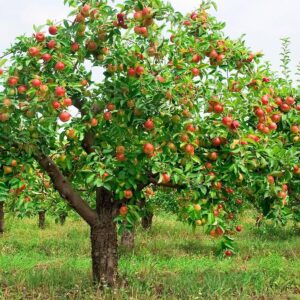
Fruit trees are suddenly shedding young fruit, and people are wondering whether they should be getting the secateurs out.
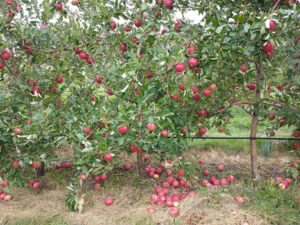
If you’ve noticed small apples, plums, or pears dropping to the ground recently, don’t worry, this is completely natural.
It’s something called the “June drop”.
In simple terms, the tree is doing a bit of self-management.
After a good blossom in Spring, many fruit trees set more fruit than they can realistically support. Rather than struggle through the season, the tree will shed some of the excess early on, allowing it to put its energy into developing fewer, better-quality fruits.
It can look a bit alarming if you’re not expecting it, but in most cases, it’s a sign the tree is working exactly as it should.
Around the same time, we’re often asked about pruning.
Summer pruning can be really beneficial, particularly for things like Apples and Pears. It helps control size and shape, lets more light into the canopy, and encourages better fruiting the following year.
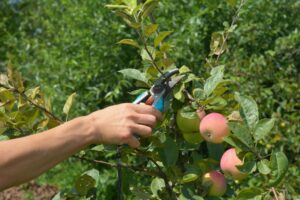
But it’s also an area where a light touch is important.
One of the most common things we see is trees being cut back a little too enthusiastically. It’s very easy to think, “while I’m here, I’ll just take a bit more off”… and before you know it, the tree has lost more growth than intended.
In most cases, you’re looking to guide the tree rather than overhaul it.
If you’d like to have a go yourself
For many garden fruit trees, a small amount of summer pruning is perfectly manageable.
A simple approach is:
Focus on this year’s long, whippy growth rather than older branches
Cut back to a few leaves from the base of that new growth (often 3–5 leaves are about right)
Remove any obviously dead, damaged or crossing branches
Step back regularly and keep the overall shape balanced.
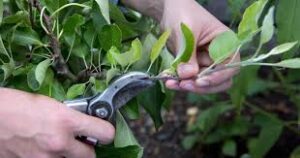
Clean, sharp secateurs make a big difference, and it’s always better to take a little less than you think you need.
And if something doesn’t feel right, it’s perfectly fine to leave it. The tree won’t mind waiting.
What’s interesting is that, after all these years, the questions haven’t really changed.
- “Should I be worried about the fruit dropping?”
- “Is now the right time to prune?”
- “How much should I take off?”
They’re the same conversations we’ve always had.
The difference today is that we understand a lot more about how trees respond, and that usually leads to a more measured approach.
Mini Guide: Summer Pruning Fruit Trees
What is summer pruning?
Summer pruning is used to control growth rather than encourage it.
Unlike Winter pruning, which promotes strong new growth, Summer pruning helps reduce excessive leafy growth, improve light into the canopy, encourage fruiting spurs, and keep trees compact and manageable.
It’s particularly useful for apples, pears, and trained fruit trees.
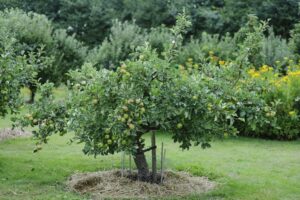
When to prune
In the UK, the best time is late July through to early September, when new growth begins to slow, and stems start to firm up.
Pruning too early can lead to more vigorous regrowth, while pruning too late reduces the benefit.
What to prune
Focus on this year’s new growth.
You’re looking to:
- Shorten long, vigorous shoots growing from main branches
- Reduce upright, non-fruiting growth
- Thin congested areas to improve light
Also remove:
- Dead, damaged or diseased wood
- Crossing or rubbing branches
How much to remove
A simple rule of thumb:
- Cut new shoots back to 3–5 leaves from their base
- Side shoots can be reduced further to 1–2 leaves
This helps shift the tree’s energy from growth into fruit.
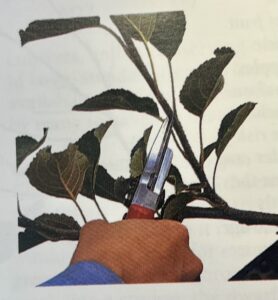
Simple step-by-step
- Stand back and assess the overall shape
- Identify strong new shoots
- Shorten these to a few leaves from the base
- Remove any obvious problem branches
- Step back again and check the overall balance
Common mistakes to avoid
- Taking too much off in one go
- Pruning too early in the season
- Treating it like Winter pruning
- Trying to “perfect” the tree in one session
A useful rule we often share:
A tree rarely suffers from being left alone, but it can suffer from being overworked.
What this means for you
If you have fruit trees in your garden at this time of year:
- Don’t be alarmed by early fruit drop — it’s often completely natural
- If you are pruning, keep it light and considered
- Focus on guiding rather than reshaping
- When in doubt, do less rather than more
Trees respond best to steady, thoughtful care.
If you’re ever unsure what’s right for your trees, we’re always happy to talk it through.

Steve